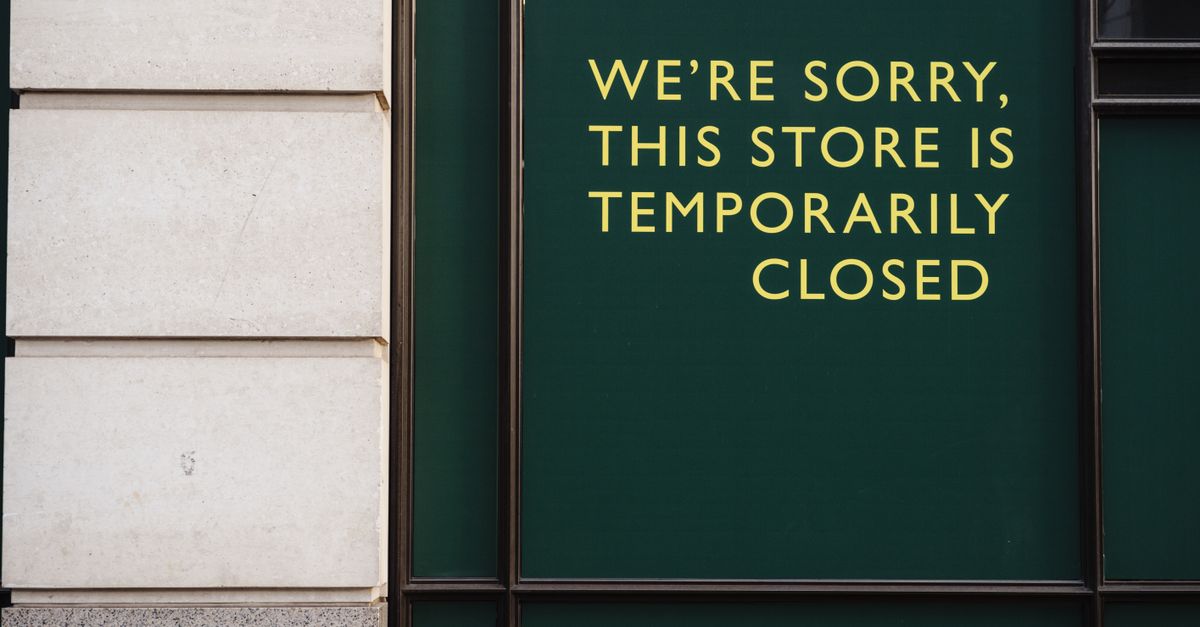
A Vietnamese-owned restaurant along the Gulf Coast closes for three weeks after a hurricane floods the parking lot and knocks out power. The building itself survives; the real damage is three weeks of zero revenue, staff paid or laid off, and rent still due. The owner assumed business interruption coverage would handle exactly this. It often doesn’t, and the reason sits in fine print most owners never read until a claim gets denied.
Business interruption coverage exists to replace lost income when a covered event forces a shutdown. For restaurants in hurricane or flood zones, “covered event” carries specific conditions. Wind and flood damage frequently fall outside them in ways that surprise owners at the worst possible moment.
Why Business Interruption Coverage Often Skips the Storm That Closed You
Standard business interruption coverage typically requires “direct physical loss” from a covered peril before any lost-income payout kicks in. That sounds broad. But flood is usually excluded from a standard commercial property policy entirely. A separate flood policy through the National Flood Insurance Program or a private carrier is required to close that gap.

Wind damage from a hurricane is usually covered, but often under a separate named-storm deductible. That deductible works differently from your everyday one. Instead of a flat $1,000 or $2,500, named-storm deductibles are commonly written as a percentage of the building’s insured value. That’s often 2% to 5%. On a building insured for $500,000, a 3% deductible means the first $15,000 of damage comes out of pocket. Only after that does coverage pay anything.
The Waiting Period Before Business Interruption Coverage Pays
Even when a covered peril triggers a payout, most policies include a waiting period, commonly 72 hours, before lost-income payments begin. A three-day closure after a storm may fall entirely inside that window. That produces no payout, even though the restaurant genuinely lost three days of revenue.
Longer closures are where business interruption coverage actually matters. A restaurant closed for three weeks after flood damage still has 18 of those 21 days covered once the 72-hour window passes. That assumes the cause is a covered peril, not an excluded flood loss.
What “Extra Expense” Coverage Actually Adds
Many commercial policies bundle business interruption coverage with “extra expense” coverage. The distinction matters. Business interruption pays for lost income. Extra expense pays for the added cost of staying open, or reopening faster, that wouldn’t otherwise exist. Think temporary equipment rental, overtime pay, or operating from a temporary location.
A restaurant might rent a food truck to keep serving customers while the dining room gets repaired. That rental can often get claimed under extra expense coverage, separate from whatever lost-income math applies to the closed dining room. Reviewing both parts of the policy, not just the business interruption coverage headline, shows the full reimbursement picture.
Calculating Lost Income Under Business Interruption Coverage
A lost-income claim isn’t a guess. Insurers calculate it against your own financial history. The standard approach compares the closure period to the same period in prior years, using sales tax returns, POS reports, and bank deposit records as evidence.
A restaurant averaging $4,000 a day in gross sales that closes for 21 days after a storm faces a raw lost-revenue figure. That figure runs roughly $84,000. Insurers subtract expenses that stopped during the closure, like food costs and hourly wages for unpaid staff. What’s left is lost net income, not lost gross revenue. Clean, consistent books make this calculation faster and harder to dispute. Our guide on reporting cash business income correctly covers the record-keeping habits that support a claim like this months or years later.
Landlord vs. Tenant: Who Actually Needs This Coverage
Restaurant owners who lease their space sometimes assume the landlord’s insurance covers their lost income too. It doesn’t. A landlord’s policy covers the landlord’s lost rent and the physical structure. The tenant’s own business interruption coverage is the only thing that replaces the tenant’s own lost income, regardless of who owns the building.
This gap catches leaseholders specifically, since many assume “the building is insured” means their business is covered. Confirm this with your own broker before a storm hits, not after.
Read your lease agreement carefully too. Some commercial leases require the tenant to carry business interruption coverage as a condition of the lease itself, separate from whatever general liability coverage the lease also requires. Missing this requirement can create a lease violation on top of the underlying financial exposure, adding a second problem to an already difficult situation after a storm.
Closing the Coverage Gap Before Storm Season
A few concrete steps close most of this gap. Add a separate flood policy if the restaurant sits near a flood zone. Standard commercial property coverage almost never includes flood automatically. Ask your broker what the named-storm deductible is in dollars, not just as a percentage. That way the real out-of-pocket number is clear before a claim ever gets filed. Confirm extra expense coverage exists alongside business interruption coverage, not as an assumed bundle.
Keep a full year of sales tax returns, POS summaries, and bank statements organized. A well-documented claim moves through the process far faster than one built from scattered receipts after the fact. Review this coverage annually with your broker as the business grows, since a policy sized correctly two years ago may no longer match a restaurant that has since expanded seating or added a second location. Bring updated sales figures to that annual review too, since an outdated revenue estimate on file can leave a genuinely bigger business underinsured right when a claim actually happens.
FAQ
Does business interruption coverage automatically include flood damage?
No. Flood is almost always excluded from standard commercial property and business interruption coverage. A separate flood policy, through the National Flood Insurance Program or a private carrier, is required.
How long is the typical waiting period before payouts start?
Commonly 72 hours from the start of the covered closure. Shorter closures often produce no payout at all, even when real income was lost.
What’s the difference between business interruption and extra expense coverage?
Business interruption coverage replaces income lost during a closure. Extra expense coverage pays for extra costs incurred to stay open or reopen faster, like temporary equipment or overtime labor.
If my landlord has insurance on the building, am I covered too?
No. A landlord’s policy covers the landlord’s own losses. A leased restaurant needs its own business interruption coverage to replace its own lost income.
What documents do I need to file a lost-income claim?
Sales tax returns, POS reports, and bank deposit records covering the same period in prior years, so the insurer can compare actual history against the closure period.
Quick Summary
- Standard business interruption coverage often excludes flood entirely and applies a percentage-based named-storm deductible to wind damage, both catching restaurant owners off guard.
- A 72-hour waiting period typically applies before payouts start, meaning short closures may produce no payout even with real lost income.
- Landlord insurance never covers a tenant’s lost income — a leased restaurant needs its own business interruption coverage regardless of the building’s policy.
This post is for informational purposes only and does not constitute financial, tax, or legal advice. Insurance policy terms vary by carrier and state. Please consult a qualified professional for your specific situation.