
A new arrival with fifteen years of clean driving in Vietnam often gets quoted the same high car insurance rate as someone who’s never driven at all. US insurers typically treat “no US driving history” as a blank slate. This holds regardless of your actual experience. A handful of insurers accept documented foreign driving history to close that gap, but most new Vietnamese immigrants never ask.
Car insurance without any US history usually costs considerably more than it needs to. A little documentation work upfront can meaningfully lower that first-year premium.
Why New Immigrants Get Quoted Higher Car Insurance Rates
Insurers price car insurance heavily based on driving history. A documented record of safe driving predicts future claims better than almost any other factor available to them. A new immigrant with no US record looks identical, from the insurer’s data, to a first-time teenage driver. This holds even with decades of accident-free driving somewhere else.
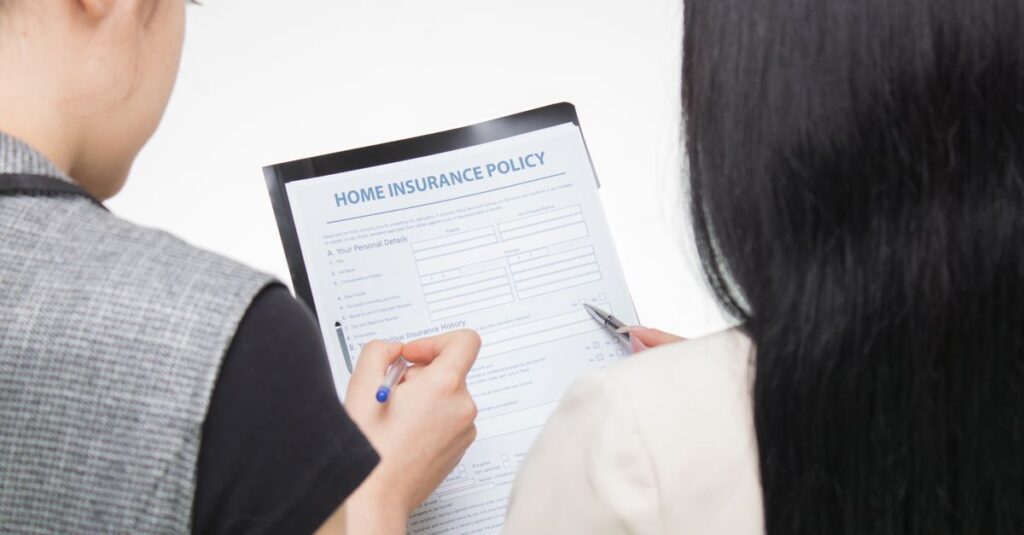
This isn’t discrimination in the legal sense. It’s simply that US insurers rely on US driving records. A foreign record doesn’t automatically show up in their system the way a domestic one would. Closing this information gap yourself is what actually moves your rate.
Which Insurers Actually Accept Foreign Driving History
A subset of national insurers has a documented process for reviewing foreign driving history. This changes over time as company policies shift though. Confirm current practice directly with each insurer you’re comparing rather than relying on outdated information. Ask specifically whether they have a program for immigrants with foreign records.
Smaller regional insurers and companies that specifically market to immigrant communities sometimes offer more flexibility here than a large national brand. They’ve built underwriting processes around exactly this situation. Get quotes from at least three or four companies, including at least one immigrant-focused insurer, before settling on a policy.
Documenting Your Vietnamese Driving Record
A letter from a Vietnamese insurance company, if you carried a policy there, showing your claims history is the strongest documentation available. Not every Vietnamese driver carried formal insurance though. A Vietnamese driver’s license history, ideally with an official translation, serves as a fallback showing how long you’ve held a valid license.
Get any Vietnamese documentation translated by a certified translator. Insurers generally can’t act on a document they can’t read directly. Keep copies of everything submitted. Follow up if an insurer doesn’t respond to your foreign history documentation within a reasonable timeframe.
What to Do If No Insurer Will Credit Your History
If your foreign driving record genuinely isn’t creditable anywhere, focus instead on the levers you do control immediately. A higher deductible lowers your premium. Bundling car insurance with a renters or homeowners policy often unlocks a discount. A defensive driving course completion sometimes qualifies for a further discount too.
Building US driving history yourself, even a few months of it, starts improving your rate faster than most people expect. Insurers weight recent US history heavily once it exists. Six months to a year of clean US driving often moves your rate meaningfully even without any foreign credit applied.
Comparing Car Insurance Costs as a New Immigrant
Get quotes through an independent broker who works with multiple insurers, rather than relying solely on a single large brand’s own quote tool. A broker can specifically flag which of their carriers accept foreign driving history for your situation. This saves you from calling each insurer individually to ask the same question.
Recheck your rate every six months during this early period. A new US driving record building up can qualify you for a better rate sooner than the standard annual renewal cycle might suggest on its own. Set a calendar reminder for this check. Insurers rarely proactively lower your rate on their own once you’re already an existing customer.
Avoiding Common Car Insurance Mistakes New Immigrants Make
Letting a policy lapse, even briefly, while switching insurers or moving between states can reset any progress you’ve made building US history. Insurers often check for continuous coverage gaps when calculating a new rate. Time any switch carefully so your new policy starts before the old one ends.
Underinsuring to save money upfront is another common trap, particularly for someone unfamiliar with US liability exposure. A serious accident without adequate coverage can create financial consequences that dwarf whatever was saved on a cheaper policy. Balance cost against real protection rather than chasing the lowest number alone.
Asking About a Multi-Car or Multi-Policy Discount Early
Many Vietnamese immigrant families arrive with more than one adult who needs car insurance, sometimes buying a second or third vehicle within the first year or two of settling in. Insuring multiple vehicles under a single policy, or with the same company, often unlocks a meaningful discount that a family shopping around vehicle by vehicle can easily miss.
Ask about this multi-car discount specifically when getting your first quotes, even if only one household member currently drives. Setting up the account structure correctly from the start makes it easier to add a second vehicle or driver later without losing out on savings you could have had from day one. Mention any adult children or extended family members who might join the policy eventually too, since some insurers price the account differently based on anticipated future additions.
Questions Worth Asking
Does a Vietnamese driver’s license translate directly to US driving privileges? No, most states require a separate US driver’s license process, though your Vietnamese license and driving history can still support your car insurance application separately from licensing itself.
How long does it typically take to build a good US insurance rate from scratch? Most new drivers see meaningful rate improvement within six months to a year of continuous, claim-free coverage, assuming no accidents or violations occur during that window.
Should I choose the cheapest car insurance quote automatically? Not necessarily. Compare coverage limits and deductibles carefully, since the cheapest policy sometimes carries coverage gaps that cost far more than the premium savings if you’re ever in an accident.
Bottom line: Ask every insurer you’re comparing whether they credit foreign driving history, gather translated Vietnamese documentation if you have it, and get quotes from at least one immigrant-focused insurer before choosing a policy.
The NAIC’s guide to auto insurance explains how insurers generally calculate rates. For how building other US financial history connects to this, see the building credit guide for Vietnamese immigrants.
Insurer policies on foreign driving history change and vary by state. This is general information, not a guarantee any specific company will credit your record. Confirm directly with each insurer you’re considering.
Reviewing Your Car Insurance Rate Every Renewal Period
Don’t assume your first policy is your best long-term option once your rate improves with more US history. Insurers price new customers differently than existing ones sometimes. A competitor might offer a meaningfully better rate for the same coverage once you have a full year or two of clean driving behind you.
Get a fresh comparison quote at each renewal. Check your current insurer’s competitors too, rather than automatically renewing without looking around. This small habit, repeated every year or two, often saves more over time than the original foreign-history discount ever would have.
Adding a Newly Licensed Teen Driver to Your Policy
Some Vietnamese immigrant families reach a second milestone a few years after arriving, when a teenager in the household earns a US driver’s license for the first time. This moment tends to raise the household’s car insurance cost noticeably. That happens regardless of how much progress the parents have made building their own clean US driving record.
Shop around specifically for a policy that offers a good student discount or a driver’s education completion discount. A teen driver with strong grades or completed training can meaningfully offset the base rate increase that comes with adding a new, inexperienced driver to the household policy. Ask each insurer directly which of these discounts they offer. Don’t assume your current carrier automatically provides the best deal for this new situation.