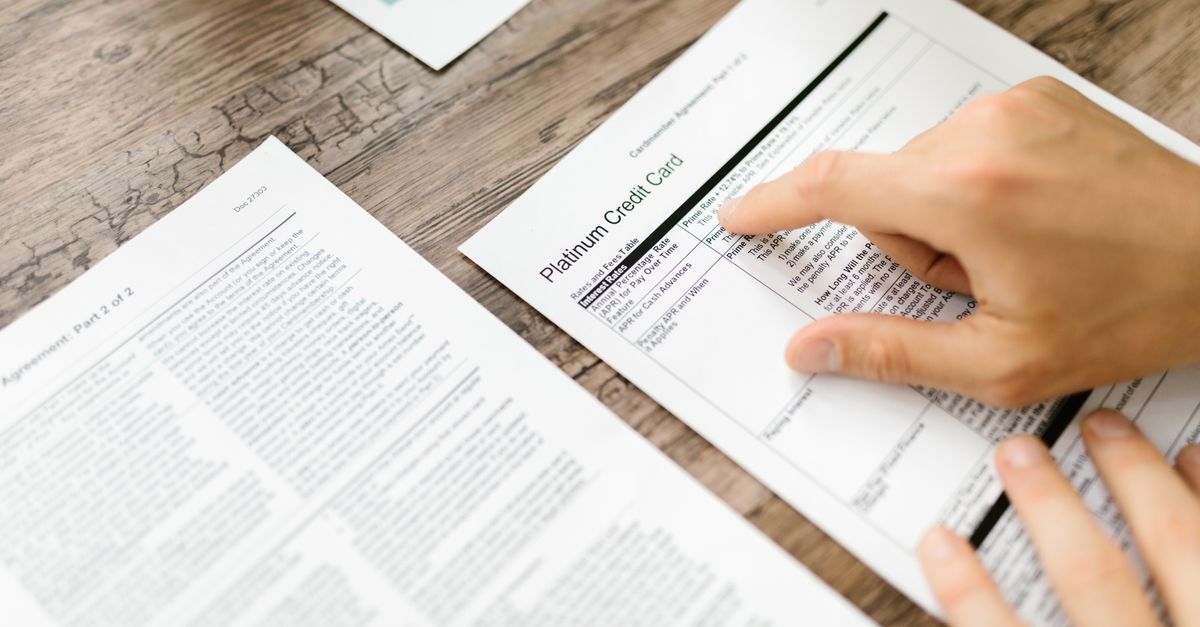
The naturalization filing fee runs several hundred dollars, a real barrier for many lower-income Vietnamese immigrants who otherwise qualify for citizenship. An N-400 fee waiver can eliminate that cost entirely for applicants who meet specific income or hardship criteria. Many eligible immigrants never check whether they qualify, simply assuming the fee is fixed and non-negotiable.
This gap costs real families real money every year. Understanding N-400 fee waiver eligibility before filing can mean the difference between paying full price and paying nothing at all for the same application.
Who Qualifies for an N-400 Fee Waiver
Three separate paths lead to fee waiver eligibility. Household income at or below 150% of the federal poverty guidelines qualifies automatically. Current receipt of a means-tested public benefit, like Medicaid or SNAP, also qualifies. A documented financial hardship can qualify too, through a case-by-case review, even without meeting the other two criteria.
Many Vietnamese families qualify under the household income path specifically, without realizing it. They never calculated their income against the poverty guideline threshold. They simply assumed they had to pay the full fee. Running that calculation takes just a few minutes and costs nothing to check.
Documenting Your Request With Form I-912
Form I-912 is the specific request form filed alongside the N-400 application itself. Supporting documentation varies by which qualifying path applies. Income-based requests need tax returns or pay stubs. Public benefit requests need an official benefits award letter. Hardship requests need a written explanation, plus supporting evidence of the specific financial difficulty.
Submit clean, complete documentation the first time. An incomplete fee waiver request can delay the entire naturalization application, not just the fee determination itself. USCIS reviews the waiver request before processing the underlying application in most cases.
Common Mistakes That Get an N-400 Fee Waiver Denied
Miscounting household size is the most common error. This is similar to the mistake that trips up I-864 sponsors. Household size for the fee waiver calculation includes the applicant, spouse, and any dependents. It’s calculated the same way the income threshold itself gets calculated. Getting this number wrong throws off the entire qualification determination.
Submitting outdated income documentation is another common mistake. Tax returns from two years ago don’t reflect your current financial situation, especially if your income has changed since then. Use your most recent documentation available. Include a brief written explanation too if your circumstances shifted significantly from what an older return shows.
What Happens After Filing an N-400 Fee Waiver Request
USCIS reviews the request and either approves it, allowing the naturalization application to proceed without payment, or denies it. A denial means the applicant must pay the full fee to continue. It doesn’t end the naturalization process itself though. It just means the fee becomes due before the application moves forward.
Reapplying with stronger documentation after an initial denial is possible. It does add processing delay though. Getting the request right the first time, with complete and current documentation, avoids that extra round trip entirely.
Why Small Business Owners Face Extra N-400 Fee Waiver Scrutiny
Self-employed Vietnamese applicants, common among restaurant and nail salon owners, sometimes face closer review of their income documentation for a fee waiver request. Cash-heavy business income reported on a tax return can look inconsistent with lifestyle indicators an officer might notice, which occasionally triggers additional questions during review.
Keeping consistent, accurate tax filings year over year matters here just as much as it does for the I-864 sponsor requirement discussed elsewhere. An applicant whose reported income genuinely qualifies under the 150% threshold has nothing to worry about, but inconsistent or clearly understated business income invites exactly the kind of scrutiny that slows down or complicates an otherwise clean, simple waiver request.
Combining an N-400 Fee Waiver With Other Cost-Saving Steps
The filing fee itself is only one cost in the broader naturalization process. Biometrics fees, translation costs for foreign documents, and any legal help retained along the way add up separately from the N-400 fee waiver itself. Community organizations serving Vietnamese immigrants often provide free or low-cost help with translation and application review, which meaningfully reduces the total cost even when the base fee gets waived.
Look for local Vietnamese community centers, legal aid clinics, or nonprofit immigrant services organizations before assuming professional help requires a large budget. Many cities with sizable Vietnamese populations have at least one organization running periodic free naturalization workshops specifically built around exactly this kind of cost-conscious application process.
Questions Worth Asking
What income level qualifies for an N-400 fee waiver automatically? Household income at or below 150% of the federal poverty guidelines for your household size qualifies automatically under this path.
Does receiving Medicaid alone qualify me for a fee waiver? Yes. Current receipt of a means-tested public benefit like Medicaid, SNAP, or SSI qualifies you under a separate path from the income calculation entirely.
What counts as acceptable proof of a means-tested public benefit? An official award letter or current benefits statement from the issuing agency works best, showing your name and the active benefit clearly.
Can I still get a fee waiver if I don’t qualify under income or benefits? Yes, through the financial hardship path, though this requires a written explanation and supporting documentation reviewed on a case-by-case basis by USCIS.
Do I need an attorney to file an N-400 fee waiver request? Not necessarily. Many applicants file successfully on their own, especially with help from a community organization familiar with the paperwork involved.
More on N-400 Fee Waiver Requests
What happens if my fee waiver request gets denied? You pay the standard filing fee to continue the naturalization application, or you can reapply for the waiver with stronger, more complete documentation.
Does a fee waiver denial affect my chances of naturalization approval? No. The fee waiver decision is separate from the merits of your naturalization application itself, which gets evaluated entirely on its own separate criteria.
Should I use recent or older tax returns for an income-based request? Always use your most recent documentation. Older returns that don’t reflect your current financial situation weaken rather than strengthen the request.
Are self-employed applicants reviewed more closely for a fee waiver? Sometimes, particularly when reported income looks inconsistent with visible lifestyle indicators. Keeping accurate, consistent tax filings each year avoids this extra scrutiny entirely.
Can community organizations help with the fee waiver paperwork itself? Yes. Many Vietnamese community centers and legal aid clinics offer free help specifically with Form I-912 and the broader N-400 application process.
Is the 150% poverty guideline threshold the same every year? No, it adjusts annually with federal poverty guideline updates, so always check the current year’s figure rather than relying on an older number.
Takeaway: Check your household income against the 150% poverty guideline threshold before assuming you have to pay the full naturalization fee — many Vietnamese families qualify without realizing it.
For how income documentation matters in other immigration contexts, see the I-864 sponsor income guide. The USCIS fee waiver page has the current Form I-912 and eligibility guidelines.
I’m not an immigration attorney — this is one attempt to make a confusing fee waiver process easier to understand. Confirm your specific eligibility and required documentation with USCIS or a qualified legal professional before filing.