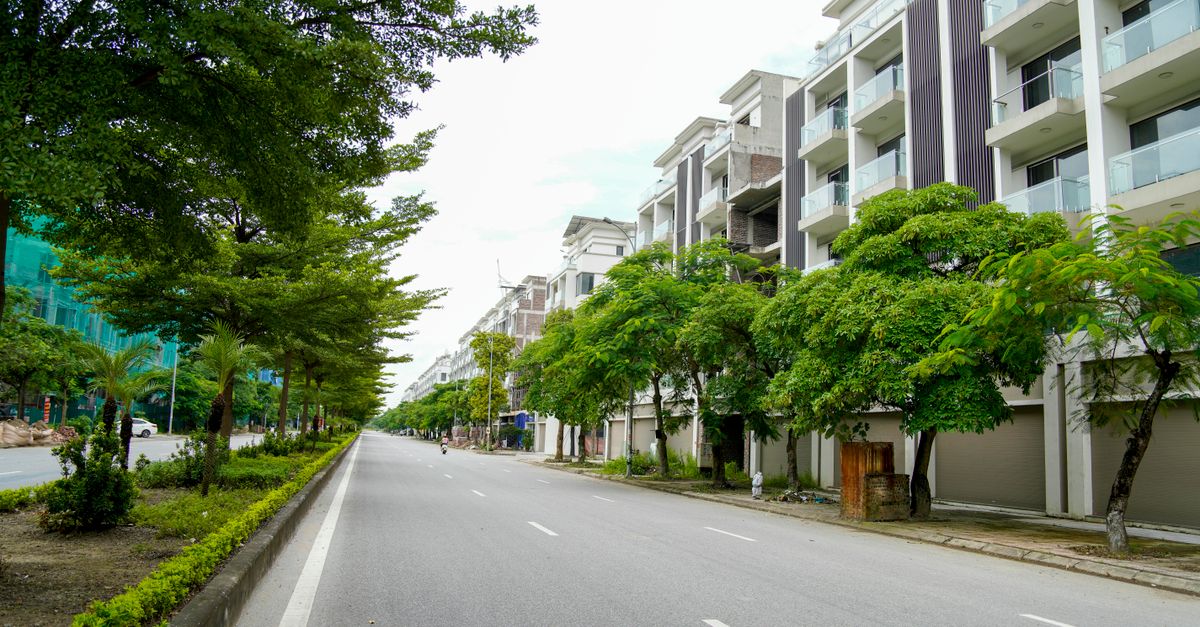
Buying property in Vietnam while living in the US is legally possible for many overseas Vietnamese. It is not the same process as buying a house in Ohio or Texas. Your rights depend heavily on one thing: whether you hold Vietnamese citizenship, or origin-confirmation papers, alongside your US status. This is one of the more legally tangled topics we cover here. Vietnamese property law has been rewritten several times in the past decade. Details that applied to your cousin’s purchase in 2019 may not apply to you today. Treat this post as an orientation, not a substitute for a Vietnam-licensed lawyer.
Citizenship Status Decides What You Can Own
The single biggest factor in buying property in Vietnam is your citizenship status, not your income or your US passport. Vietnamese law has historically drawn a sharp line between two groups of overseas Vietnamese.
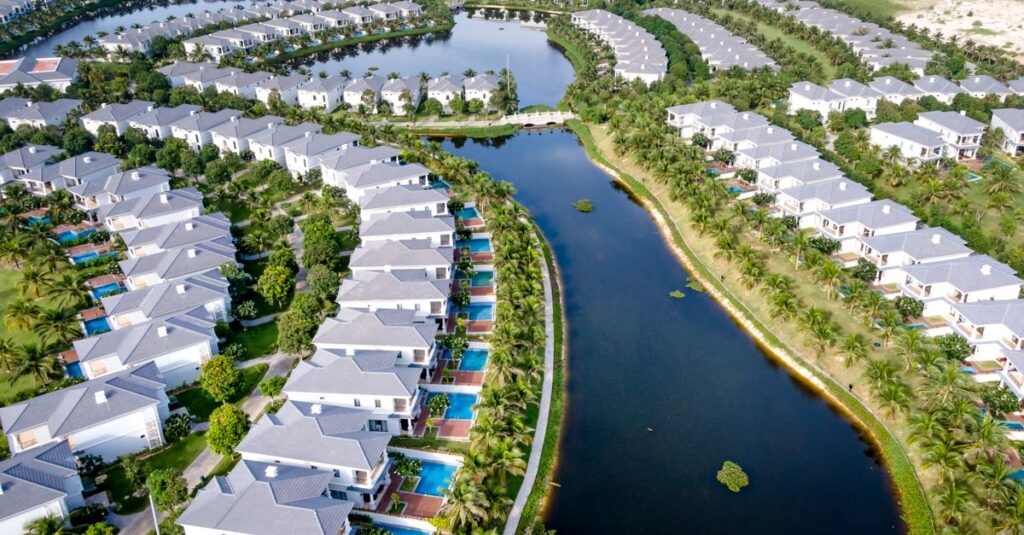
Viet Kieu who retain Vietnamese citizenship, or who hold valid origin-confirmation documents, generally get stronger ownership rights. Those rights sit much closer to what a Vietnamese citizen living in Vietnam can access. That can include residential land-use rights and full housing ownership, subject to specific conditions set by current law.
US citizens of Vietnamese heritage who never held Vietnamese citizenship, and who have no origin-confirmation paperwork, face more restrictions. Some property types stay out of reach or require structuring through other legal channels, similar to how a foreign national without any Vietnamese lineage would be treated.
Before you look at a single listing, find out where you stand. A Vietnam-licensed lawyer can review your documents and confirm your actual category. Guessing here costs far more than the consultation fee.
Buying Property in Vietnam Starts With the Right Documents
Vietnamese citizenship or origin status has to be proven with paper, not a family story. Typical documents include a Vietnamese birth certificate, an old Vietnamese passport, a household registration record, or a formal certificate of Vietnamese origin issued by a Vietnamese consulate.
If you naturalized as a US citizen decades ago and never formally reacquired or confirmed Vietnamese citizenship, start here first. Many Vietnamese Americans assume their heritage alone qualifies them for the stronger ownership tier. It does not. The paperwork is what a notary or land registry office actually checks.
Gathering these records from the US side can take months, especially for anyone who left Vietnam before 1975 or during the later waves of departures. Start this process well before you plan to sign anything. A Vietnam-licensed lawyer or your nearest Vietnamese consulate can tell you exactly which document applies to your family’s history.
Vietnamese Law on Buying Property Keeps Expanding — But Verify First
Vietnamese property law affecting overseas Vietnamese has moved in one direction over the past several reform cycles: rights have generally expanded, not contracted. Successive legal updates have widened what Viet Kieu and Vietnamese-origin foreign nationals can hold, compared to older rules.
That trend is worth knowing, but it is not something to build a transaction on without checking the current text. We are intentionally not citing a specific statute number here, because the rules shift and a number that was accurate last year may already be outdated. Property law in Vietnam changes more frequently than in the US, and enforcement can vary by province.
This is exactly the kind of area where a general advisor is not enough. Retain a lawyer licensed to practice in Vietnam, ideally one with specific real estate transaction experience, before you commit to buying property in Vietnam. The cost of that lawyer is small next to the cost of an unenforceable deed.
How Buying Property in Vietnam Actually Works
Once your citizenship or origin status is confirmed, the mechanics of buying property in Vietnam from the US follow a fairly consistent shape, even as details shift.
You will need valid identification documents proving your Vietnamese citizenship or origin, the same records discussed above. You will work through a licensed Vietnamese notary or lawyer for the transaction itself. Notaries there handle a larger share of the closing process than a US title company would.
You will also typically need a Vietnamese bank account to handle payment for the property. Wiring funds directly from a US account without a receiving Vietnamese account can complicate both the transaction and later currency conversion. If you are still deciding how to move money between the two countries, our comparison of transfer options into Vietnam covers the tradeoffs on fees and speed.
Expect the timeline to run longer than a comparable US purchase, particularly if any document needs consular certification or translation.
Buying Property in Vietnam vs. Buying a Home in the US
It helps to see the contrast directly. Buying a home as a Vietnamese immigrant in the US runs through a standardized mortgage and title system, where lenders check credit and documented income above almost everything else.
Buying property in Vietnam runs through a different logic entirely. Citizenship status outranks income. Notaries substitute for much of what a US title company does. Currency and banking add a layer that a domestic US purchase never touches.
If you are weighing a Vietnam purchase against building equity in the US instead, read both pieces side by side. The legal risk profile is genuinely different, not just the paperwork volume.
FAQ
Can any Vietnamese American buy property in Vietnam?
Not automatically. Your rights depend on whether you hold Vietnamese citizenship or origin-confirmation documents. US citizens with Vietnamese heritage but no such documents face a more restricted set of ownership options.
Do I need to give up my US citizenship to buy property in Vietnam?
No. Many Viet Kieu hold US citizenship alongside Vietnamese citizenship or origin status, since Vietnam has not required renouncing US citizenship for these property rights. Confirm your specific situation with a lawyer, since individual histories vary.
What documents prove I qualify as Viet Kieu with stronger property rights?
Common proof includes a Vietnamese birth certificate, a prior Vietnamese passport, household registration records, or a certificate of Vietnamese origin from a consulate. A Vietnam-licensed lawyer can confirm which documents your case needs.
Can I use a US mortgage to buy a house in Vietnam?
No. US lenders do not finance property located in Vietnam. Buyers typically pay in cash through a Vietnamese bank account, sometimes supplemented by financing arranged directly with a Vietnamese bank.
How current is Vietnamese property law right now?
It changes often enough that a general blog post cannot serve as your final source. Reform cycles have expanded rights for overseas Vietnamese in recent years, but the exact current rules need direct verification with a licensed professional before any transaction.
Should I use a real estate agent or a lawyer for this purchase?
Both play a role, but the lawyer matters more here than in a typical US deal. A Vietnam-licensed real estate lawyer confirms your ownership category, reviews the notarized contract, and protects you from provisions an agent may not flag.
Quick Summary
- Citizenship or origin-confirmation status, not income, determines what property overseas Vietnamese can own in Vietnam.
- Vietnamese property law has generally expanded rights for Viet Kieu over recent reform cycles, but the current rules need direct verification before any purchase.
- The process runs through a licensed Vietnamese notary and typically a Vietnamese bank account, and a Vietnam-licensed real estate lawyer is worth hiring specifically for this transaction.
This post is for informational purposes only and does not constitute financial, tax, or legal advice. Laws and regulations change frequently. Please consult a qualified professional for your specific situation.